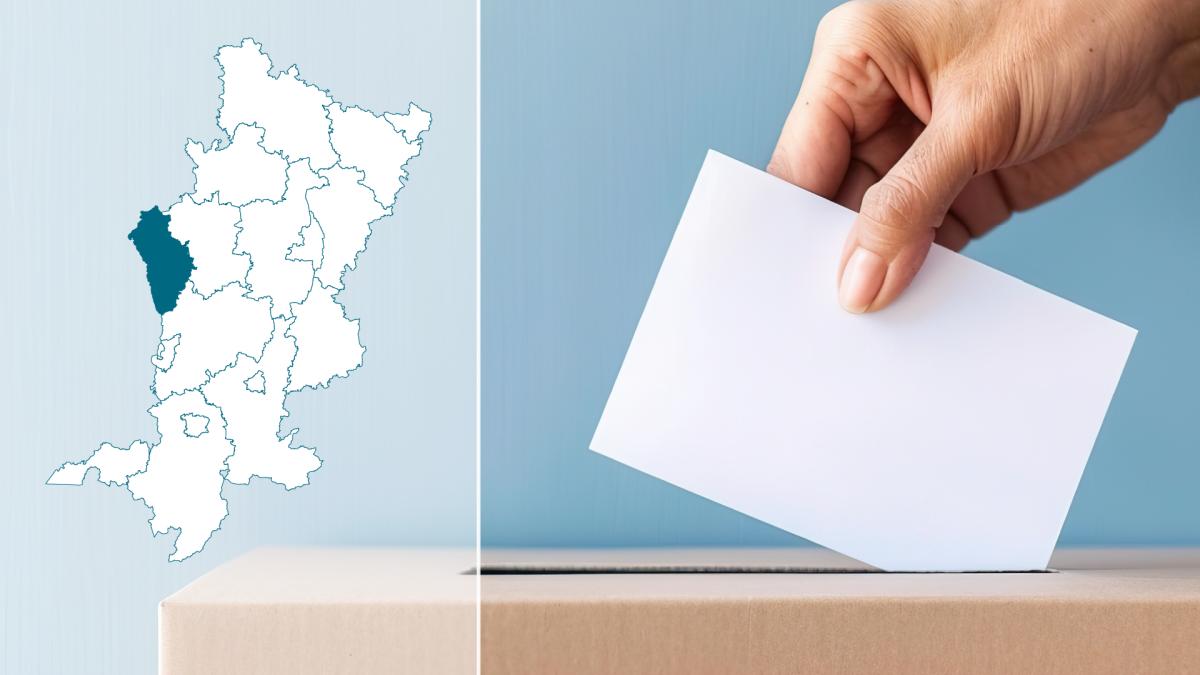
Landkreis Neu-Ulm Kommunalwahl 2026: Understanding the Local Mandate
The year 2026 marks a pivotal moment for local democracy in the Landkreis Neu-Ulm. As citizens cast their votes, they directly shape the future of their communities, from district-level policies to the specific leadership in their towns and villages. This comprehensive overview delves into the
Landkreis Neu Ulm Wahlergebnisse for the Kommunalwahl 2026, providing a detailed look at the outcomes for the Kreistag (District Council), Bürgermeister (Mayors), Gemeinderat (Municipal Councils), and Stadtrat (City Councils). Understanding these results is essential for every resident, offering insights into the political landscape and the mandate given to their representatives.
Unlike some other regions, the Landkreis Neu-Ulm did not hold elections for a new Landrat (District Administrator) in 2026. This is due to a specific event in 2024 when the former Landrat, Thorsten Freudenberger, transitioned to the Landtag (State Parliament), necessitating a special election in that year to fill the vacancy. Consequently, the focus of the 2026 Kommunalwahl was squarely on the legislative bodies at the district and municipal levels, ensuring a robust renewal of local political representation.
The significance of these local elections cannot be overstated. They are the closest form of government to the people, directly impacting daily lives through decisions on infrastructure, education, environmental protection, public services, and local economic development. The results presented here offer a clear picture of the electorate's will and the composition of the bodies tasked with governing the Landkreis Neu-Ulm for the coming term.
Kreistagswahl Neu-Ulm 2026: A Detailed Look at the Results
The Kreistagswahl (District Council Election) is arguably the most far-reaching of the local elections, as the District Council sets policies that affect the entire Landkreis Neu-Ulm. The 2026 election saw a notable level of civic participation, reflecting a engaged citizenry keen on influencing regional governance.
Voter Participation and Overall Statistics
The official statistics paint a clear picture of the electoral engagement:
- Eligible Voters: 134,319
- Total Voters: 75,843
- Voter Turnout: 56.5%
- Invalid Ballots: 2,753 (3.6%)
- Valid Votes Counted: 4,193,058
A turnout of 56.5% for local elections is generally considered healthy, indicating that a significant portion of the electorate exercised their democratic right. It underscores the importance residents place on the direction of their district. For a deeper understanding of the voter turnout and how it impacts the representation, you can refer to
Kommunalwahl 2026 Neu-Ulm: Wahlbeteiligung & Gewählte.
Party Performance in the Kreistagswahl
The provisional results for the Kreistagswahl 2026 reveal the following distribution of votes among the participating political parties and voter groups:
- CSU: 36.8% (1,543,790 votes)
- AfD: 14.6% (611,969 votes)
- GRÜNE: 13.9% (581,910 votes)
- FREIE WÄHLER / FW: 12.5% (526,109 votes)
- SPD: 10.0% (419,617 votes)
- Die Linke: 4.1% (169,838 votes)
- JU: 3.1% (129,190 votes)
- ÖDP: 2.8% (116,663 votes)
- FDP: 2.2% (93,972 votes)
The Christian Social Union (CSU) emerged as the strongest force, securing over a third of the votes. This robust performance solidifies their position as a dominant political player in the Landkreis Neu-Ulm, often setting the tone for district-level policy. The AfD's significant share and the strong presence of the GRÜNE indicate a diverse political landscape with varying priorities, from conservative values to environmental concerns. The FREIE WÄHLER, a traditional local force, maintained a strong showing, highlighting the importance of non-party political groups at the municipal level. Meanwhile, the SPD continues to be a relevant voice, and smaller parties like Die Linke, JU, ÖDP, and FDP contribute to the breadth of opinions represented in the Kreistag.
Elected Candidates: Faces of the New Kreistag
The personal votes garnered by candidates are particularly important in local elections, where the electorate often votes for individuals rather than just parties. The following candidates from the CSU received the highest number of votes and were successfully elected to the Kreistag, reflecting strong personal mandates:
- Albsteiger Katrin: 52,071 Stimmen
- Freudenberger Thorsten: 47,558 Stimmen
- Engelhard Alexander: 41,287 Stimmen
- Eisen Jürgen: 38,019 Stimmen
- Obst Michael: 34,923 Stimmen
- Schäfer-Rudolf Claudia: 31,206 Stimmen
- Lutz Kerstin: 30,769 Stimmen
- Ade Christiane: 29,965 Stimmen
- Wöhrle Markus: 29,629 Stimmen
- Winkler Erich: 29,479 Stimmen
- Neher Michael: 29,179 Stimmen
- Ölberger Katja: 28,082 Stimmen
- Salzmann Susanne: 27,152 Stimmen
- Schewetzky Susanne: 27,032 Stimmen
- Gugelfuß Martin: 26,210 Stimmen
- Stölzle Mathias: 26,201 Stimmen
- Niebling Franz Josef: 25,198 Stimmen
- Salzmann Jürgen: 25,066 Stimmen
- Ott Ewald: 24,538 Stimmen
- Ritter Andrea: 24,442 Stimmen
- Möst Richard: 24,092 Stimmen
- Bolkart Uwe: 23,835 Stimmen
- Rupp Anton: 23,360 Stimmen
- Sniatecki Fabian: 23,256 Stimmen
- Walk Herbert: 22,506 Stimmen
This list of elected officials, led by top vote-getters like Katrin Albsteiger and Thorsten Freudenberger, will form the backbone of the new Kreistag. Additionally, a number of "Nachrücker" (successors/substitutes) are designated to step in should any elected member be unable to serve. The composition of this body will significantly influence policymaking for the entire district.
Beyond the Kreistag: Mayoral and Council Elections Across Neu-Ulm Municipalities
While the Kreistag sets the overarching framework for the district, the real grassroots governance happens at the municipal level. The Kommunalwahl 2026 also saw a fresh mandate given to numerous Bürgermeister (Mayors), Gemeinderäte (Municipal Councils) in smaller towns and villages, and Stadträte (City Councils) in larger urban centers within the Landkreis Neu-Ulm.
These elections are profoundly local, with results often varying significantly from one municipality to another based on specific local issues, candidate personalities, and community priorities.
- Bürgermeisterwahlen: Mayors are the executive heads of their respective municipalities, responsible for implementing council decisions and managing local administration. Their direct election means they hold a strong personal mandate, often serving as the public face of their town or city.
- Gemeinderat und Stadtratswahlen: These councils are the legislative bodies at the municipal level. They make crucial decisions on local zoning, budget allocation, public services (like schools, kindergartens, and waste management), and cultural initiatives. The composition of these councils reflects the diverse opinions within each community.
Due to the sheer number of municipalities within the Landkreis Neu-Ulm, providing all individual results here is beyond the scope of this article. However, the outcomes are accessible via specific municipal platforms, typically linked from the district's official election portals. These local results are critical as they directly impact the daily lives of residents, shaping their immediate environment and the services they receive. They also provide valuable insights into local trends and sentiments, which can sometimes differ from the broader district-level results.
Analyzing the Impact and Future of Governance in Landkreis Neu-Ulm
The 2026 Kommunalwahl results lay the foundation for the next term of local governance in the Landkreis Neu-Ulm. The strong showing of the CSU in the Kreistag suggests a continuation of existing policy directions in many areas, though they will need to navigate a diverse council. The presence of significant representation from the AfD, GRÜNE, and FREIE WÄHLER means that the new Kreistag will be a forum for varied debates on issues ranging from environmental protection and social justice to economic development and migration policies.
Key Takeaways for Future Governance:
- Coalition and Cooperation: With no single party holding an absolute majority, cooperation and alliance-building within the Kreistag will be essential. This often leads to more balanced policy decisions, reflecting a broader consensus.
- Focus on Local Issues: The prominence of local parties and candidates in municipal elections emphasizes the electorate's desire for representatives who are deeply rooted in their communities and understand specific local challenges and opportunities.
- Citizen Engagement: The relatively high voter turnout underscores a healthy level of citizen interest in local politics. This engagement is vital for democratic accountability and ensures that the elected officials remain responsive to their constituents.
- Policy Priorities: Expect discussions and decisions to focus on pressing local needs. These often include the expansion of public transport, digital infrastructure development, affordable housing initiatives, support for local businesses, and ensuring high-quality education and childcare facilities.
For residents, understanding these
Landkreis Neu Ulm Wahlergebnisse is the first step toward informed civic participation. Beyond election day, staying informed about council meetings, participating in public consultations, and communicating with elected representatives are crucial ways to influence local policy. The new councils and mayors are now tasked with translating the electorate's mandate into effective and progressive governance that benefits all citizens of the Landkreis Neu-Ulm.
Conclusion
The Kommunalwahl 2026 in the Landkreis Neu-Ulm has successfully concluded, establishing new leadership and representation at the district, city, and municipal levels. The detailed results of the Kreistagswahl, showing a strong mandate for the CSU and a diverse mix of parties, indicate a dynamic period ahead for district policy. Simultaneously, the election of numerous mayors and local council members ensures that governance remains responsive and relevant to the unique needs of each community. These Wahlergebnisse are more than just numbers; they represent the collective voice of the citizens of Landkreis Neu-Ulm, empowering their chosen representatives to shape a prosperous and sustainable future for the entire region. The path ahead will require collaboration, transparency, and continuous engagement from both the elected officials and the public to address the evolving challenges and opportunities facing this vibrant Bavarian district.