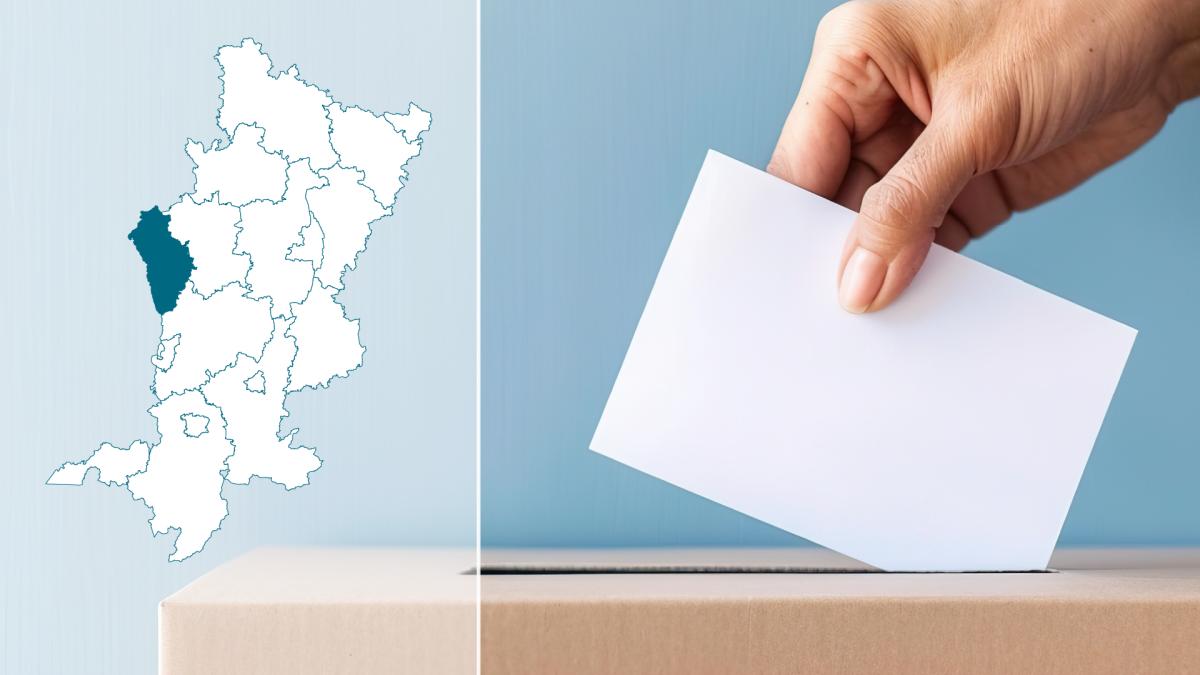
Understanding the 2026 Kommunalwahl in Landkreis Neu-Ulm
The local elections, or
Kommunalwahl, held in 2026 across Bavaria, including the vibrant region of Landkreis Neu-Ulm, represent a crucial moment for local democracy and governance. These elections determine who will shape the future of our communities, from everyday infrastructure decisions to broader social policies. For residents and stakeholders keen on understanding the political landscape, a detailed look at the
Landkreis Neu Ulm Wahlergebnisse is indispensable.
Unlike some other districts, the Landkreis Neu-Ulm did not elect a new Landrat in this particular cycle, as a special election had already taken place in 2024 when the former Landrat, Thorsten Freudenberger, transitioned to the state parliament (Landtag). However, the 2026 Kommunalwahl was still highly significant, bringing forth new members for the Kreistag (District Council) and, in many towns and municipalities, new mayors (Bürgermeister), as well as new local and city council members (Gemeinderäte and Stadträte). These results directly impact local services, economic development, and community life. For comprehensive details on all outcomes, you can refer to our dedicated overview:
Landkreis Neu-Ulm Kommunalwahl 2026: Alle Wahlergebnisse.
The Importance of Local Elections
Local elections are often considered the closest form of democracy, directly affecting citizens' daily lives. The Kreistag, for instance, is responsible for a wide range of tasks at the district level, including school administration, public transport, waste management, health services, and regional planning. Understanding the voter turnout and the composition of the elected body is key to appreciating the mandate given by the electorate.
Voter Turnout: A Deep Dive into Participation in Neu-Ulm
One of the most telling indicators of civic engagement in any election is the voter turnout. For the 2026 Kommunalwahl in Landkreis Neu-Ulm, the overall turnout for the Kreistagswahl stood at
56.5%. This figure reflects the percentage of eligible citizens who cast their ballots, directly influencing the legitimacy and representativeness of the newly elected council.
Let's break down the numbers:
- Total Eligible Voters: 134,319 residents were eligible to participate in shaping their district's future.
- Total Voters: 75,843 individuals exercised their right to vote, accounting for the 56.5% turnout.
- Invalid Ballots: A total of 2,753 ballots were deemed invalid, representing 3.6% of the total votes cast. While a small percentage, invalid votes highlight the importance of understanding the voting process and ensuring ballots are correctly marked.
- Valid Votes Counted: The political parties and candidates vied for a significant 4,193,058 valid votes. It's important to remember that in German local elections, voters often have multiple votes (cumulative voting and panachage), meaning the total number of votes cast can significantly exceed the number of individual voters.
A turnout of 56.5% is generally considered moderate for local elections. While higher than some past Kommunalwahlen in other regions, it also means that a substantial portion of eligible voters did not participate. Factors influencing turnout can range from the perceived relevance of local issues, the visibility of candidates, specific political moods, or even logistical considerations on election day. Strong voter participation is vital for robust local governance, ensuring a broad mandate for the elected representatives.
Kreistagswahl 2026: Party Performance and Mandate Distribution
The composition of the Kreistag directly mirrors the preferences of the electorate, dictating the political direction of the district for the upcoming term. The
Landkreis Neu Ulm Wahlergebnisse for the Kreistagswahl 2026 revealed a diverse political landscape, with established parties maintaining significant influence while others carved out their presence.
Here’s a detailed breakdown of how the parties performed:
- CSU (Christlich-Soziale Union): Emerging as the dominant force, the CSU secured 1,543,790 votes, translating to 36.8% of the total valid votes. This strong showing reinforces their traditional position within Bavarian politics and grants them a leading role in the district council. For more insights into the CSU's performance, see our analysis: Neu-Ulm Kreistagswahl 2026: CSU Stärke und Parteiergebnisse.
- AfD (Alternative für Deutschland): The AfD achieved the second-highest vote share with 611,969 votes, representing 14.6%. This indicates a notable presence in the district's political discourse.
- GRÜNE (Bündnis 90/Die Grünen): The Green party garnered 581,910 votes, securing 13.9%. Their consistent performance underscores the growing importance of environmental and sustainability issues for many voters.
- FREIE WÄHLER / FW (Free Voters): With 526,109 votes and 12.5%, the Freie Wähler remain a significant player, often focusing on non-partisan local issues.
- SPD (Sozialdemokratische Partei Deutschlands): The SPD received 419,617 votes, accounting for 10.0%, maintaining a foundational presence in the district.
- Die Linke: With 169,838 votes (4.1%), Die Linke secured representation.
- JU (Junge Union): The youth wing of the CSU, running independently, received 129,190 votes, making up 3.1%. This shows the engagement of younger political activists in the district.
- ÖDP (Ökologisch-Demokratische Partei): The ÖDP obtained 116,663 votes, or 2.8%, advocating for ecological and democratic principles.
- FDP (Freie Demokratische Partei): The liberal FDP secured 93,972 votes, translating to 2.2%.
This diverse distribution of mandates reflects a multi-party political landscape, requiring cooperation and coalition-building among parties to pass resolutions and implement policies effectively. The strong performance of the CSU, combined with the presence of multiple other parties, suggests dynamic debates and negotiations ahead in the Kreistag.
Key Players: Notable Elected Candidates in the Kreistag
Beyond party percentages, the personal mandate given to individual candidates is crucial. Voters often cast preferential votes for specific individuals they believe will best represent their interests. The
Landkreis Neu Ulm Wahlergebnisse show a clear preference for several candidates, particularly from the leading parties.
From the CSU list, several individuals received a significant number of direct votes, demonstrating strong personal support and securing their seats in the Kreistag:
- Albsteiger Katrin: With an impressive 52,071 votes, Katrin Albsteiger emerged as the top vote-getter, clearly elected.
- Freudenberger Thorsten: Despite his move to the Landtag, Thorsten Freudenberger still commanded strong support, receiving 47,558 votes and securing his seat. This reflects his continued popularity in the region.
- Engelhard Alexander: Gaining 41,287 votes, Alexander Engelhard was also successfully elected.
- Eisen Jürgen: Jürgen Eisen secured 38,019 votes, ensuring his place in the district council.
- Obst Michael: With 34,923 votes, Michael Obst will also serve in the Kreistag.
- Other notable elected CSU members include Schäfer-Rudolf Claudia (31,206), Lutz Kerstin (30,769), Ade Christiane (29,965), Wöhrle Markus (29,629), Winkler Erich (29,479), Neher Michael (29,179), Ölberger Katja (28,082), Salzmann Susanne (27,152), Schewetzky Susanne (27,032), Gugelfuß Martin (26,210), Stölzle Mathias (26,201), Niebling Franz Josef (25,198), Salzmann Jürgen (25,066), Ott Ewald (24,538), Ritter Andrea (24,442), Möst Richard (24,092), Bolkart Uwe (23,835), Rupp Anton (23,360), Sniatecki Fabian (23,256), and Walk Herbert (22,506).
These elected officials, along with representatives from other parties, form the new Kreistag. It's also worth noting the concept of "Nachrücker" (alternates or successors) like Hartmann Thomas, Lohner Rainer, and Lidl Juliane, who did not immediately gain a seat but are next in line should an elected member leave the council during the term. This ensures continuity in representation. The diverse array of individuals and their strong vote counts underscore the personal connections and trust voters place in their local representatives.
Beyond the Kreistag: Other Local Elections and Future Outlook
While the Kreistagswahl paints a broad picture of district-level political will, the 2026 Kommunalwahl in Landkreis Neu-Ulm encompassed much more. Voters also decided on new mayors and council members for their specific cities and municipalities. These elections for
Bürgermeister,
Gemeinderat, and
Stadtrat are vital for the granular day-to-day management of local affairs, including urban planning, local infrastructure projects, schools, and cultural activities. The outcomes in these specific local contests often reflect unique local dynamics, personalities, and community-specific challenges and opportunities.
The newly constituted Kreistag and local councils face a range of pressing issues, from sustainable development and digitalization to ensuring robust public services and fostering economic growth within the region. The diverse political representation means that consensus-building and constructive dialogue will be key to effective governance. Residents are encouraged to stay informed and engage with their elected representatives to ensure their voices continue to be heard. The period following an election is critical for setting the agenda for the next term, and the active participation of citizens is crucial for a thriving local democracy.
In conclusion, the
Landkreis Neu Ulm Wahlergebnisse from the 2026 Kommunalwahl provide a comprehensive snapshot of the district's political leanings and civic engagement. With a moderate turnout, a strong performance by the CSU, and diverse representation from other parties, the new Kreistag is poised to tackle the challenges and opportunities facing the Neu-Ulm district. The elected officials, backed by the votes of their constituents, now hold the mandate to shape the region's future, reinforcing the vital role of local democracy.